Strategies for Minimizing Environmental Impact in Excavation Projects May 08, 2026
To begin with, a thorough site assessment is crucial. Before a single shovel breaks ground, understanding the ecosystem in which you will operate is essential. This involves studying the local flora and fauna, soil types, and water sources. By conducting a detailed environmental analysis, you can identify sensitive areas that require special protection, such as wetlands or habitats of endangered species. Precision Excavation and Septic Systems prioritizes these assessments to ensure projects do not inadvertently cause harm to local biodiversity.
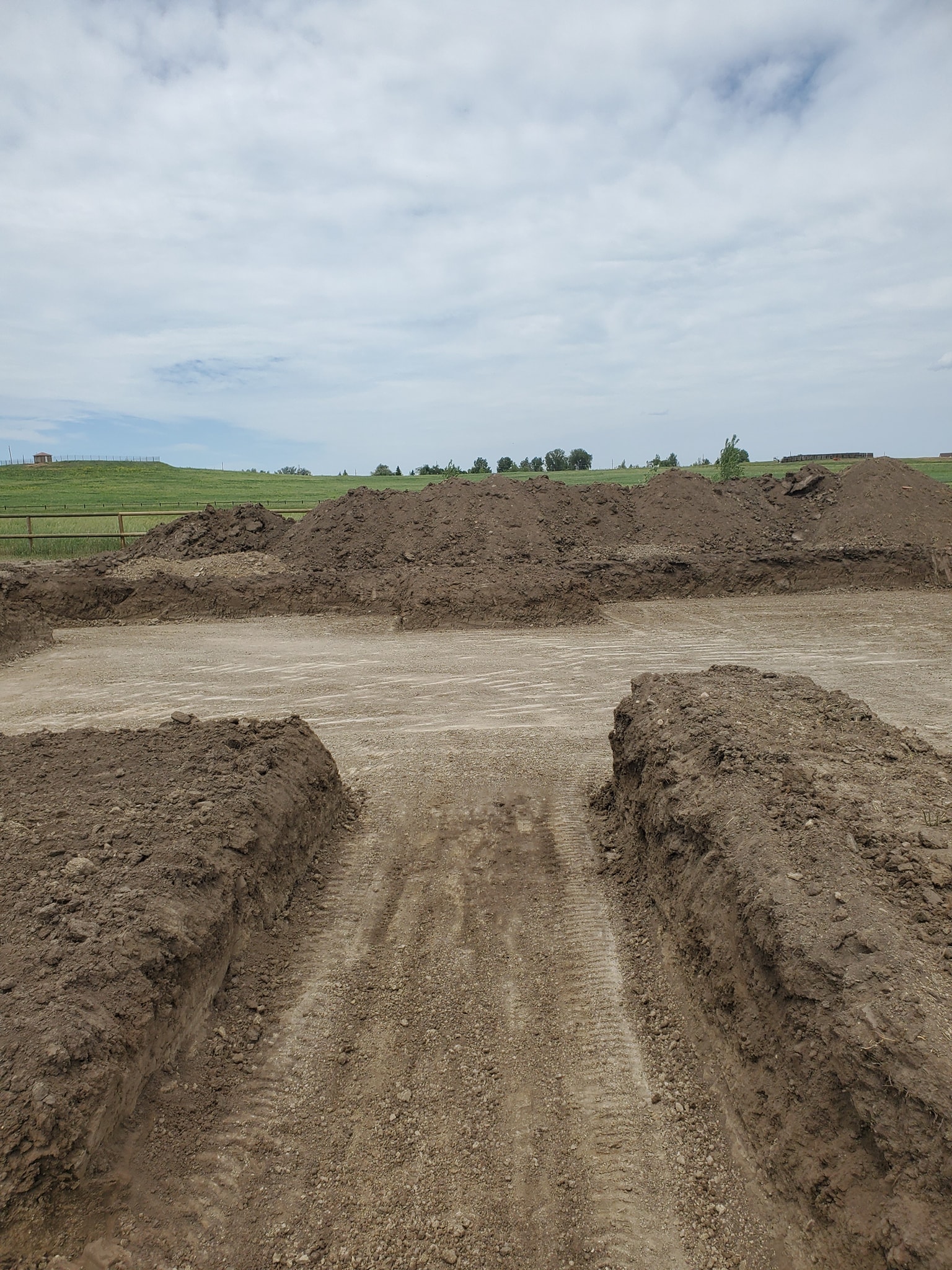
A key strategy in minimizing environmental impact is to implement sustainable excavation practices. This can include techniques such as controlled trenching and precision grading. Controlled trenching limits the area of disturbance, which helps preserve existing vegetation and reduce soil erosion. Precision grading, on the other hand, ensures that the excavation work is conducted in an exact manner, thereby preventing excessive disturbance to the landscape. These practices not only reduce environmental strain but also enhance operational efficiency.
It's also imperative to manage waste and runoff effectively. Excavation projects can generate substantial amounts of debris, which, if not handled properly, can lead to significant pollution. Precision Excavation and Septic Systems employs meticulous waste management strategies, focusing on recycling and reusing materials whenever possible. Moreover, implementing sediment and erosion controls, like silt fences or sediment ponds, helps manage runoff and prevents harmful substances from contaminating nearby water bodies.
Incorporating technology is another effective approach. Cutting-edge tools such as GPS and GIS mapping allow for more precise excavation work. These technologies enable operators to navigate and excavate sites with minimal physical impact, reducing unintended disturbances. Additionally, they improve accuracy in project planning and execution, leading to fewer mistakes and adjustments that might otherwise increase environmental strain.
Communication with stakeholders is a strategy that cannot be overlooked. Keeping in touch with local communities and environmental groups ensures that there is transparency throughout the excavation project. By fostering open dialogue, you not only build trust but also gain valuable insights into potential environmental concerns that may be unique to the area. This proactive engagement assists in aligning your project goals with environmental preservation efforts, thereby facilitating a more harmonious progression of work.
Finally, continuous monitoring and evaluation are imperative. Regularly checking the environmental impact during and after the project completion can help identify areas for improvement. By evaluating these outcomes, Precision Excavation and Septic Systems ensures that each project is a learning opportunity, constantly refining methods to achieve better sustainability outcomes in future endeavors.
In conclusion, minimizing environmental impact in excavation projects requires a strategic and mindful approach. Through detailed site assessments, embracing sustainable practices, effective waste management, leveraging technology, engaging with stakeholders, and ongoing evaluation, companies like Precision Excavation and Septic Systems set the standard for environmentally responsible excavation. By prioritizing these strategies, not only is the integrity of construction projects maintained, but we also take a significant step toward preserving the environment for future generations.
/filters:no_upscale()/filters:format(webp)/media/401662a0-5dd4-4f02-b3fb-d9fba7eeb6ae.jpeg)
/filters:no_upscale()/filters:format(webp)/media/28bdaf47-b185-48ee-8e8c-b175bd4c2efe.jpeg)