Septic Systems 101: Understanding Installation and Upkeep Essentials Jun 13, 2026
First, let's delve into the installation process. Installing a septic system involves careful planning, as the system needs to be tailored to the specific requirements of your property. A professional survey determines the appropriate size, location, and type of system needed. Several factors come into play: soil type, water table levels, and the number of household occupants.
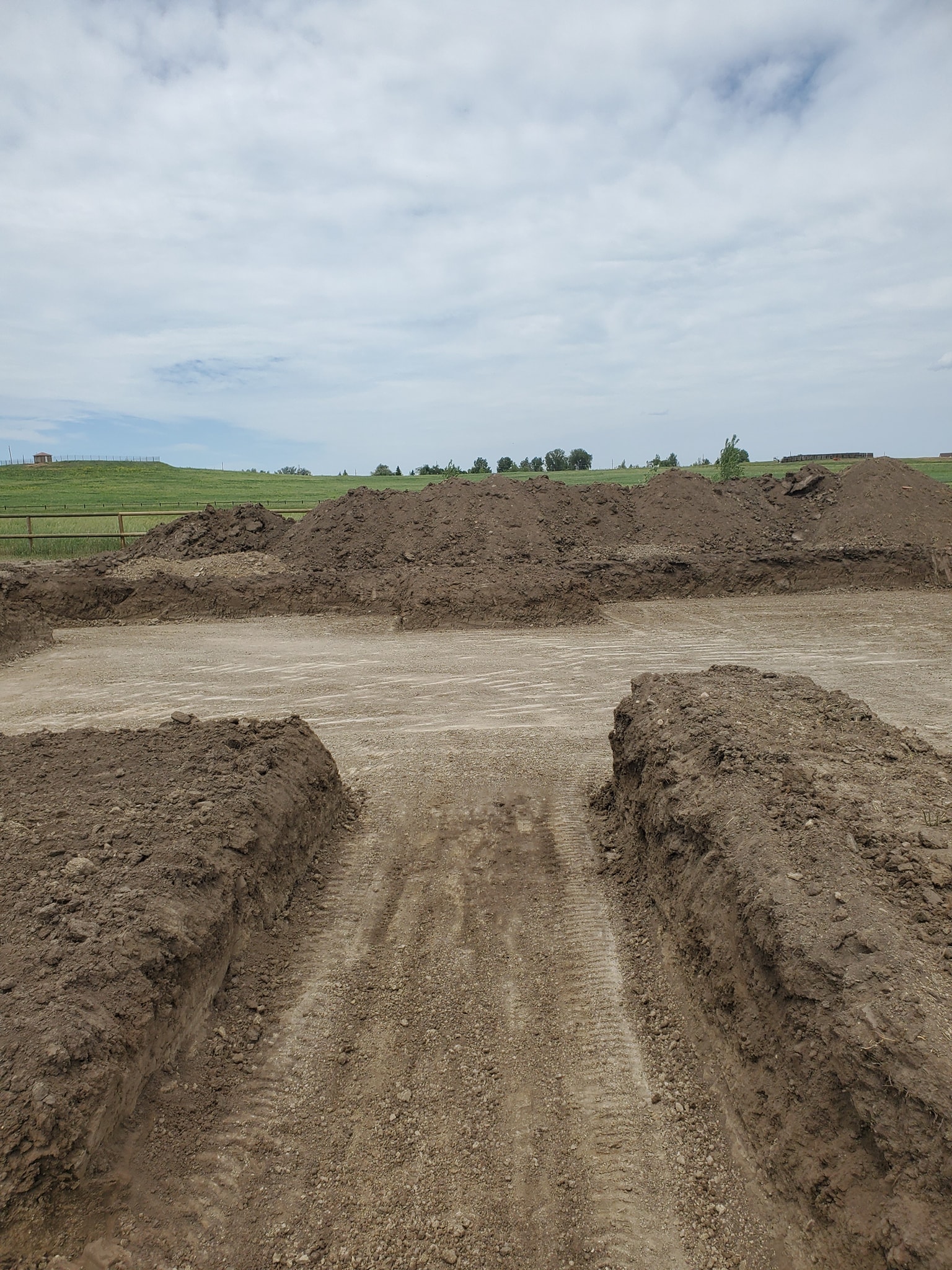
The installation begins with excavating the designated area, handling soil, rock, and other natural challenges. An experienced team ensures that the excavation maintains the natural slope and avoids disturbing nearby areas unnecessarily. Once the site is ready, the septic tank and drainage field are installed. The tank is typically made from durable materials like concrete or fiberglass. Proper installation minimizes the risk of leakage and reduces environmental impact.
After installation, regular upkeep is imperative to prolong the life of your septic system. Routine maintenance prevents costly repairs and environmental damage. One of the foundational steps is scheduling professional inspections and pumping. Typically, septic tanks should be inspected every three years and pumped every three to five years, depending on usage.
Another essential aspect of septic system upkeep is water conservation. Excessive water entering the system can lead to overload, increasing the risk of failure. Try to stagger water usage for household appliances, such as washing machines and dishwashers, to help balance the system's demand. Additionally, fixing leaks promptly reduces unnecessary water drainage.
Mindful flushing habits also play a critical role in maintaining your septic system. Only flush septic-safe products; items like diapers, wipes, and sanitary products should be disposed of in the trash. Use of chemical drain cleaners is discouraged due to their potential to disrupt the natural bacterial balance in the system.
Monitoring the drain field is equally important. Planting trees or shrubs near this area can damage the system with root infiltration. Ensure that rainwater runoff is directed away to prevent soil saturation, which can impede the system's effectiveness.
Precision Excavation and Septic Systems offers more than just installation; we provide guidance on maintaining and improving your system for years to come. Our team is dedicated to helping you implement the best practices tailored to your needs.
In conclusion, understanding the essentials of septic system installation and upkeep is vital for any homeowner relying on this technology. Proper installation and regular maintenance not only extend the life of your septic system but also ensure it operates efficiently. By applying these fundamental upkeep tips, you protect your investment and the environment.
For questions about installation or maintenance, Precision Excavation and Septic Systems is ready to assist. Knowing how to care for your septic system today can save you from significant issues tomorrow, ensuring your property remains a pleasant, well-functioning environment for you and future generations.
/filters:no_upscale()/filters:format(webp)/media/401662a0-5dd4-4f02-b3fb-d9fba7eeb6ae.jpeg)
/filters:no_upscale()/filters:format(webp)/media/28bdaf47-b185-48ee-8e8c-b175bd4c2efe.jpeg)