Navigating the Excavation Process: Key Steps to Ensure Successful Outcomes Apr 21, 2026
The first critical step in any excavation project is thorough planning. Proper planning helps mitigate risks and manage expectations. This begins with a clear understanding of the project’s scope. Identify the purpose of the excavation, such as foundation laying, septic system installation, or landscaping improvements. Establish the boundaries of the excavation site and make sure you have the necessary permits from local authorities. Skipping this step can lead to delays and additional costs, which can easily be avoided with prior preparation.
Once planning is underway, site assessment becomes imperative. Site evaluation involves reviewing soil conditions, drainage patterns, and the presence of underground utilities. Precision Excavation and Septic Systems recommends conducting a geotechnical survey to assess soil composition and stability. This information guides choosing the appropriate equipment and methods, ensuring safe and efficient excavation. Identifying utilities and acquiring a utility marking service safeguards you from accidental damage, which can lead to costly repairs and service disruptions.
Following a thorough site assessment, designing the excavation layout is the next step. This phase involves mapping out the excavation site, considering factors like site access, vehicle movement, and material storage. Using precision layout designs minimizes errors during excavation. It’s also beneficial to mobilize resources effectively, ensuring that equipment, personnel, and materials are timely and conveniently available on site. Details like ingress and egress points for machinery should be carefully planned to optimize operational efficiency and safety.
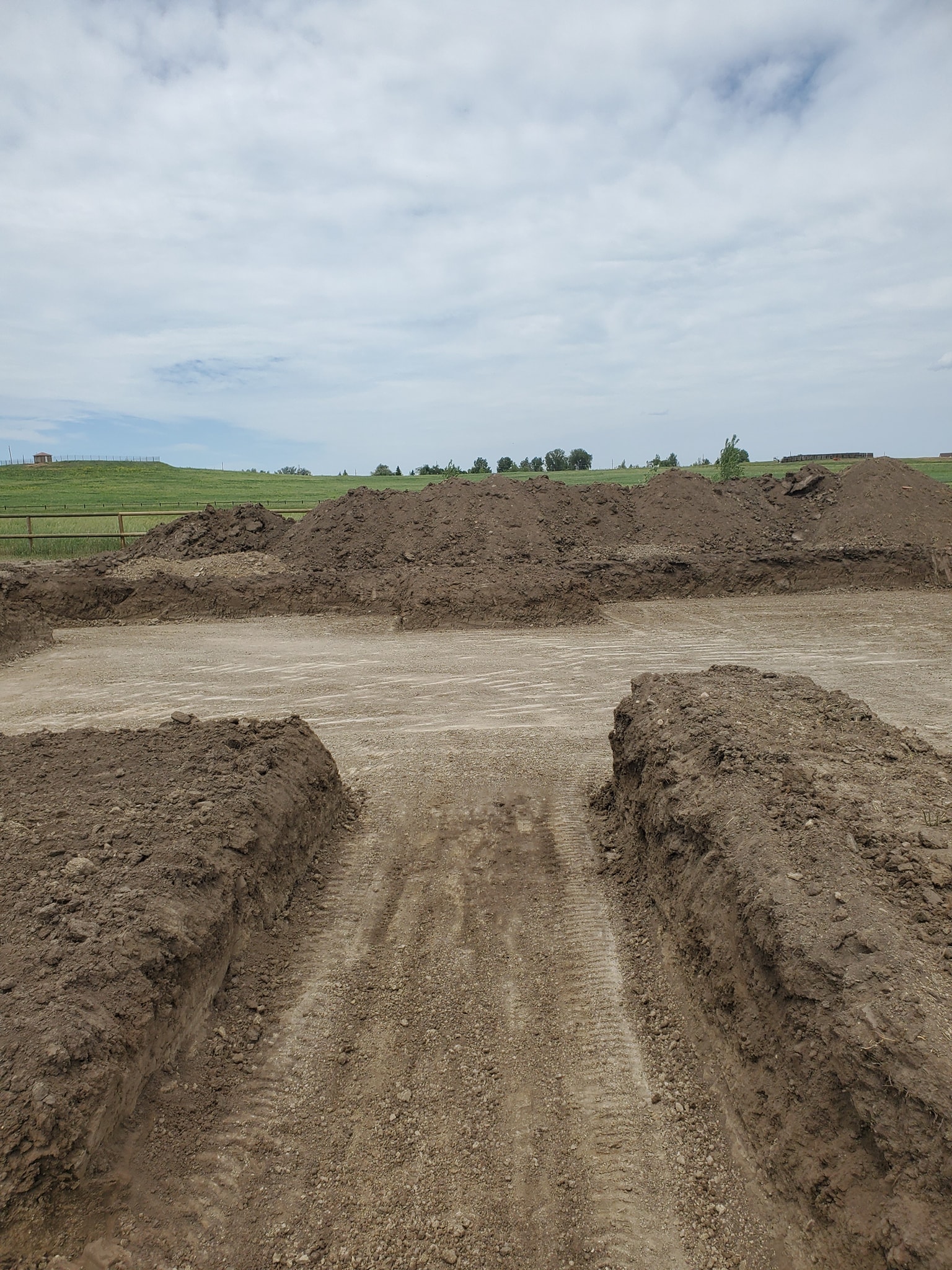
Executing the excavation is where the groundwork literally takes place. The chosen excavation method will hinge on earlier assessments, such as earth moving for foundation work or trenching for septic installations. It’s vital that operators strictly adhere to safety protocols. Diligent oversight keeps the project within budget and timeline. Projects executed by Precision Excavation and Septic Systems are characterized by the seamless coordination between all teams, ensuring execution is precise and aligns with safety standards.
As the excavation phase concludes, backfilling and finishing are essential to stabilize the area. After excavation, the next step is preparing for the structure or system that follows. For septic systems, proper installation is crucial to avoid future malfunctions. This includes accurate trenching and pipe laying. For foundations, ensuring the site is level and stable is key to structural integrity. The attention to detail at this stage cannot be overstated; any oversight might lead to future difficulties.
Finally, post-project evaluation is not to be overlooked. Reviewing project results helps identify areas of improvement for future endeavors. Feedback from this analysis is invaluable for optimizing processes, enhancing safety, and improving customer satisfaction. Precision Excavation and Septic Systems prioritizes ensuring that clients are satisfied with the results and that their expectations have been met or exceeded.
In conclusion, successfully navigating the excavation process requires meticulous planning, focused execution, and thorough post-project assessment. By following these critical steps, you can ensure that your excavation project runs smoothly, safely, and efficiently. Precision Excavation and Septic Systems is dedicated to providing exceptional excavation services, promising a commitment to quality and precision at every phase of the project. From initial planning to project completion, they guide each step, ensuring your project's needs are met with the highest standards.
/filters:no_upscale()/filters:format(webp)/media/401662a0-5dd4-4f02-b3fb-d9fba7eeb6ae.jpeg)
/filters:no_upscale()/filters:format(webp)/media/28bdaf47-b185-48ee-8e8c-b175bd4c2efe.jpeg)