Excavation Safety 101: Best Practices for a Risk-Free Project Mar 26, 2026
First and foremost in excavation safety is the importance of proper planning. Before commencing any excavation project, it's essential to conduct thorough site evaluations and surveys. This involves assessing the soil type, drainage patterns, and identifying the existence of any underground utilities. Knowing what lies beneath prevents unexpected accidents and helps guide the excavation process safely and efficiently.
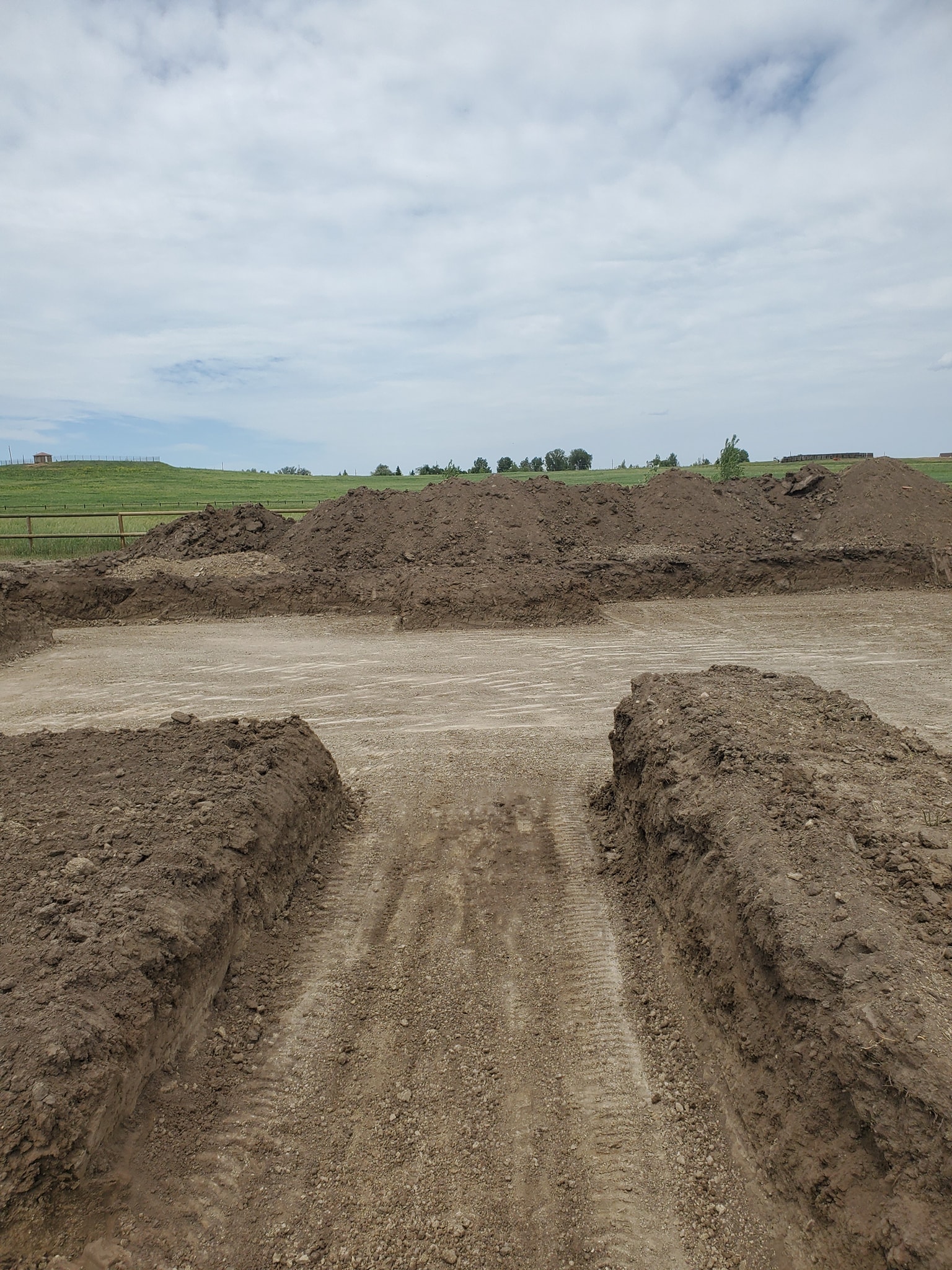
Once preliminary planning is complete, attention must turn to marking and securing the excavation area. Clearly marking the boundaries using flags, signs, and barriers can prevent accidental falls or equipment collisions. Enforcing restricted access around the excavation perimeter helps ensure that only authorized personnel are present, minimizing the chances of accidents.
Equipping workers with the necessary safety gear cannot be overstated. Personal protective equipment (PPE) including helmets, gloves, boots, and high-visibility clothing are essential. Each worker should be trained in how to use them effectively. Moreover, regular safety briefings and training sessions are vital to keep safety protocols fresh in everyone’s mind.
When it comes to operating heavy machinery, only trained and certified operators should handle such equipment. The precision required in maneuvering excavators and bulldozers cannot be underestimated, and a skilled operator will significantly reduce the risk of mishaps on site. Regular maintenance checks on these machines must also be conducted to ensure they’re in optimal working condition, avoiding mechanical failure that could lead to dangerous situations.
Another critical aspect of excavation safety is monitoring the weather conditions. Rain and snow can drastically change the stability of an excavation site, making daily checks of forecasts imperative. Working in poor weather should be avoided whenever possible to prevent soil erosion, collapses, and other unsafe conditions.
Communication cannot be ignored in a comprehensive excavation strategy. All team members should have clearly defined roles and understand the communication channels in place. This includes knowing who to notify in the event of an emergency and how to report potential hazards. Effective communication can prevent many accidents and facilitate swift responses if incidents occur.
The use of technology also plays a role in modern excavation safety practices. Many companies now employ GPS tracking systems to enhance precision in digging and prevent accidental damage to underground utilities. Additionally, drone surveillance can help provide an aerial view of the site for constant monitoring and management of safety measures.
Finally, post-project inspections ensure that no hazards remain after the completion of excavation activities. A thorough review can identify any potential risks, such as loose soil or debris, that need addressing to ensure safety continues beyond the project’s end.
In conclusion, by implementing these best practices, Precision Excavation and Septic Systems can provide safe and efficient services, safeguarding their workforce and the community. Ultimately, excavation safety is about commitment to a culture of proactive risk management, helping build trust with clients and creating a successful environment for every project undertaken.
/filters:no_upscale()/filters:format(webp)/media/401662a0-5dd4-4f02-b3fb-d9fba7eeb6ae.jpeg)
/filters:no_upscale()/filters:format(webp)/media/28bdaf47-b185-48ee-8e8c-b175bd4c2efe.jpeg)