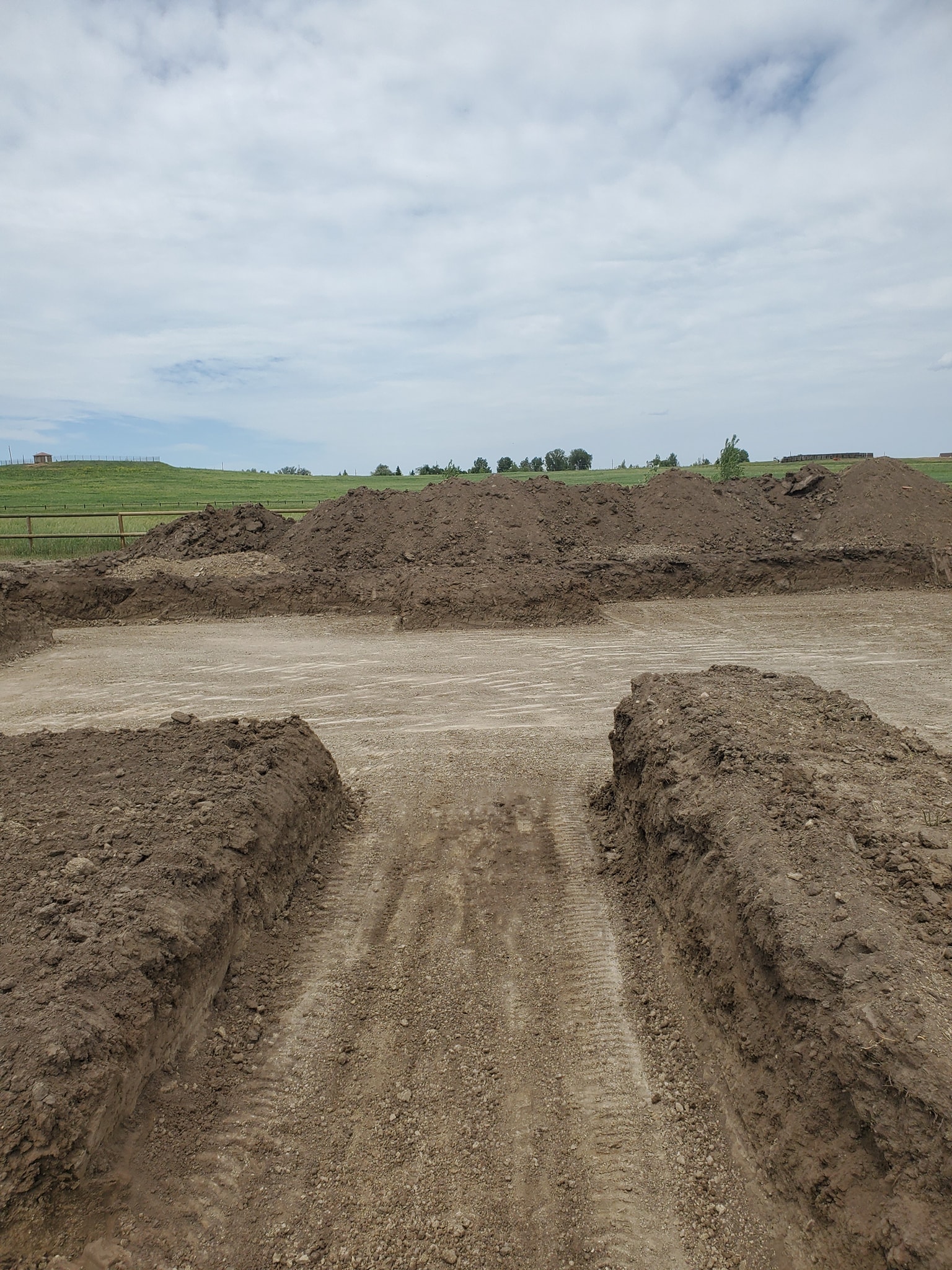
Eco-Friendly Excavation: Sustainable Practices for a Greener Tomorrow Mar 24, 2026
Excavation, by nature, tends to alter landscapes significantly. However, when done thoughtfully, it can support sustainable development goals. The first step toward eco-friendly excavation is understanding the landscape. Conducting thorough site assessments ensures that we respect natural habitats and avoid unnecessary disruption to the ecosystem. This approach not only protects local flora and fauna but also aligns with regulatory compliance and community expectations.
Incorporating advanced technology is another facet of sustainable excavation. Modern machinery has come a long way, with many options now available that are not only fuel-efficient but also precise in their operations. Precision equipment reduces waste by targeting only essential areas, minimizing the energy input required for earth-moving activities. Making use of GPS technology helps us strategize routes and excavation plans efficiently, cutting down on fuel consumption and reducing emissions.
Choosing environmentally friendly equipment and materials is also a crucial consideration. At Precision Excavation and Septic Systems, we prioritize using biodegradable hydraulic oils and other non-toxic lubricants. These eco-friendly alternatives prevent soil contamination and decrease pollution in sensitive areas. In addition, sourcing materials from local suppliers whenever possible reduces the carbon footprint associated with long-distance transportation.
Implementing soil erosion control measures is a vital part of eco-friendly excavation. Without proper measures in place, loose soil can lead to issues like sediment runoff, which pollutes waterways and harms aquatic life. We leverage erosion control techniques such as silt fencing, erosion blankets, and vegetation buffers to stabilize exposed soil and prevent damage to surrounding environments. These strategies are not only effective but also relatively cost-efficient.
Water management is another key aspect of sustainable excavation. By installing temporary drainage systems, we prevent water accumulation in work areas, which reduces soil erosion and protects wetlands from sediment pollution. Moreover, by recycling water used during excavation, such as through sediment ponds, we conserve resources and further limit environmental impact.
The commitment to eco-friendly excavation extends beyond the actual digging process. Restoration and reclamation should always follow excavation projects. Where possible, conserving and replanting local flora can help restore ecological balance. Conducting regular post-excavation audits ensures that we address any unintended impacts on the site swiftly and efficiently.
In conclusion, choosing eco-friendly excavation practices is not just a trend but a necessity for a sustainable future. At Precision Excavation and Septic Systems, we are committed to integrating these practices to promote a greener tomorrow. By adopting technology, using sustainable materials, and implementing erosion control and water management measures, we minimize our environmental footprint. As stakeholders in the construction and excavation industry, we can collectively contribute to a healthier planet for future generations while still achieving our developmental objectives.
/filters:no_upscale()/filters:format(webp)/media/401662a0-5dd4-4f02-b3fb-d9fba7eeb6ae.jpeg)
/filters:no_upscale()/filters:format(webp)/media/28bdaf47-b185-48ee-8e8c-b175bd4c2efe.jpeg)